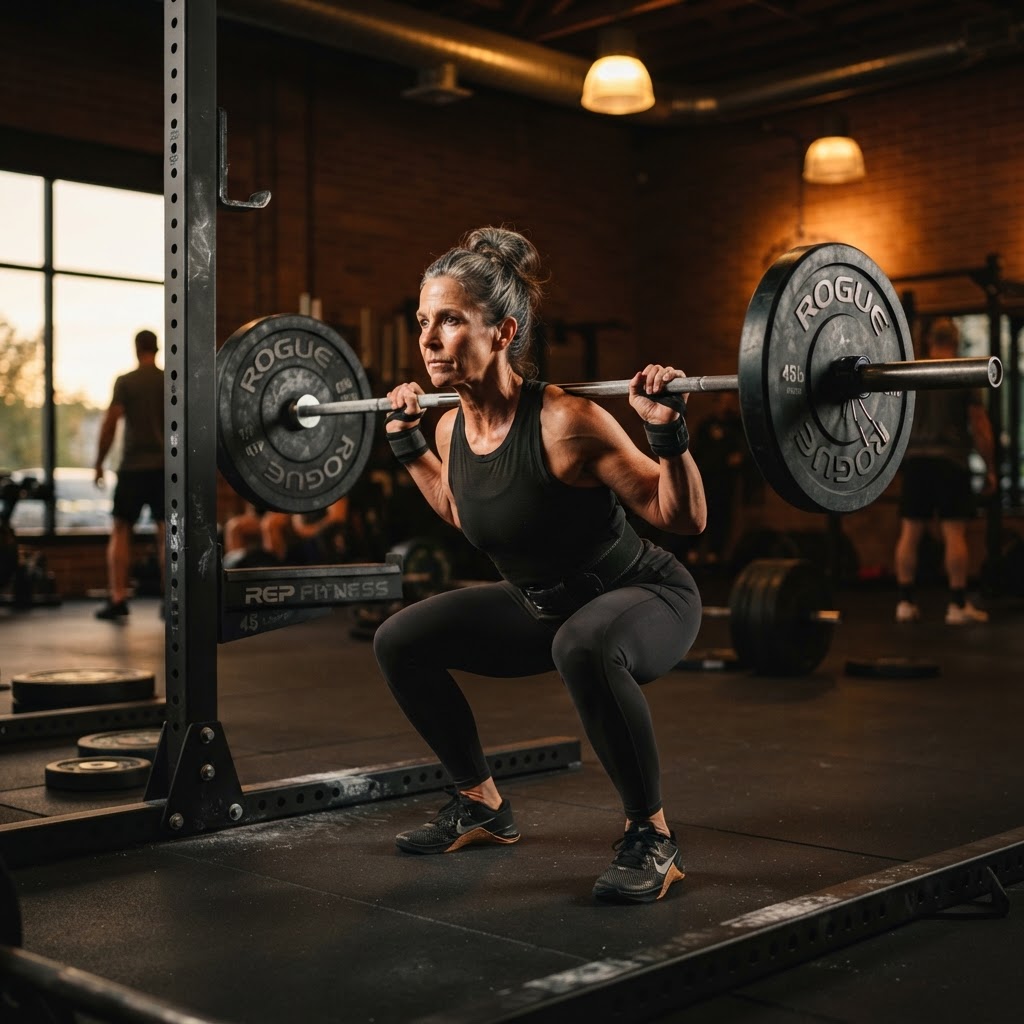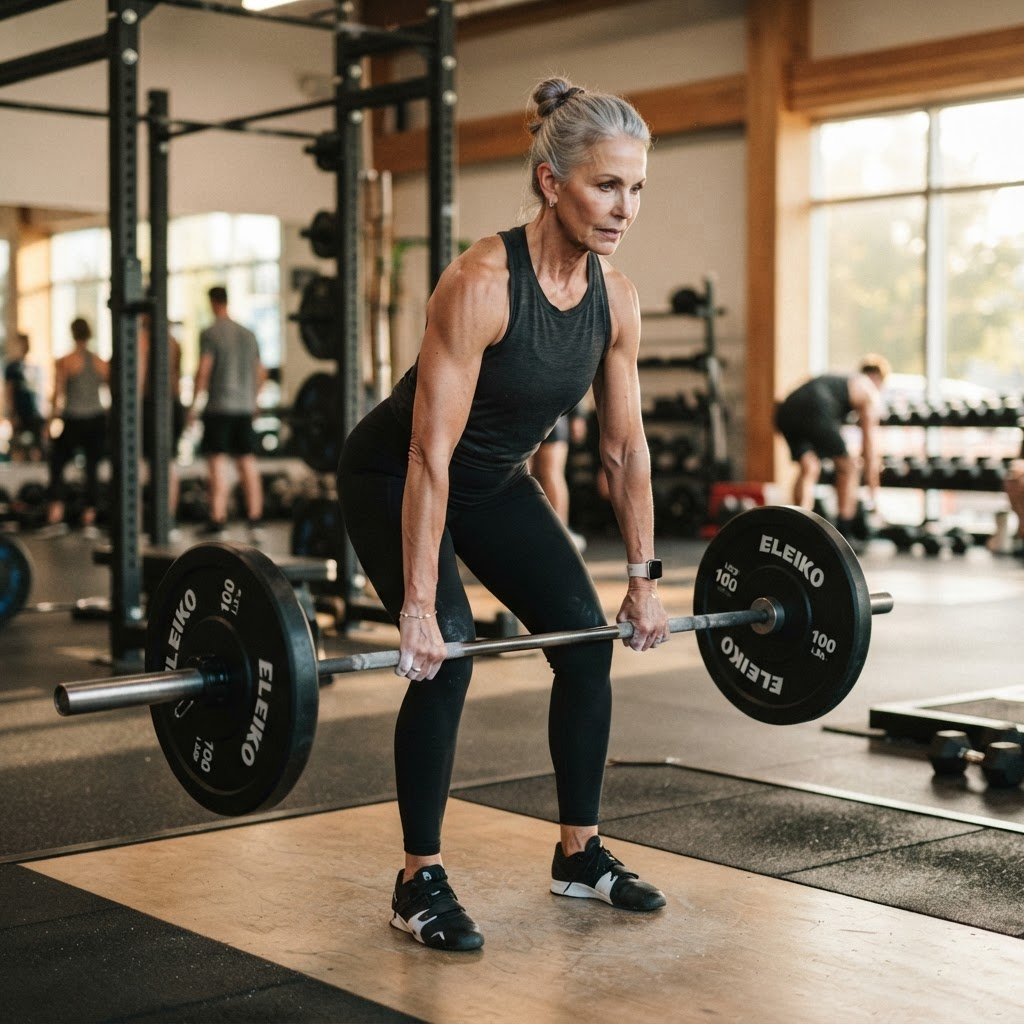

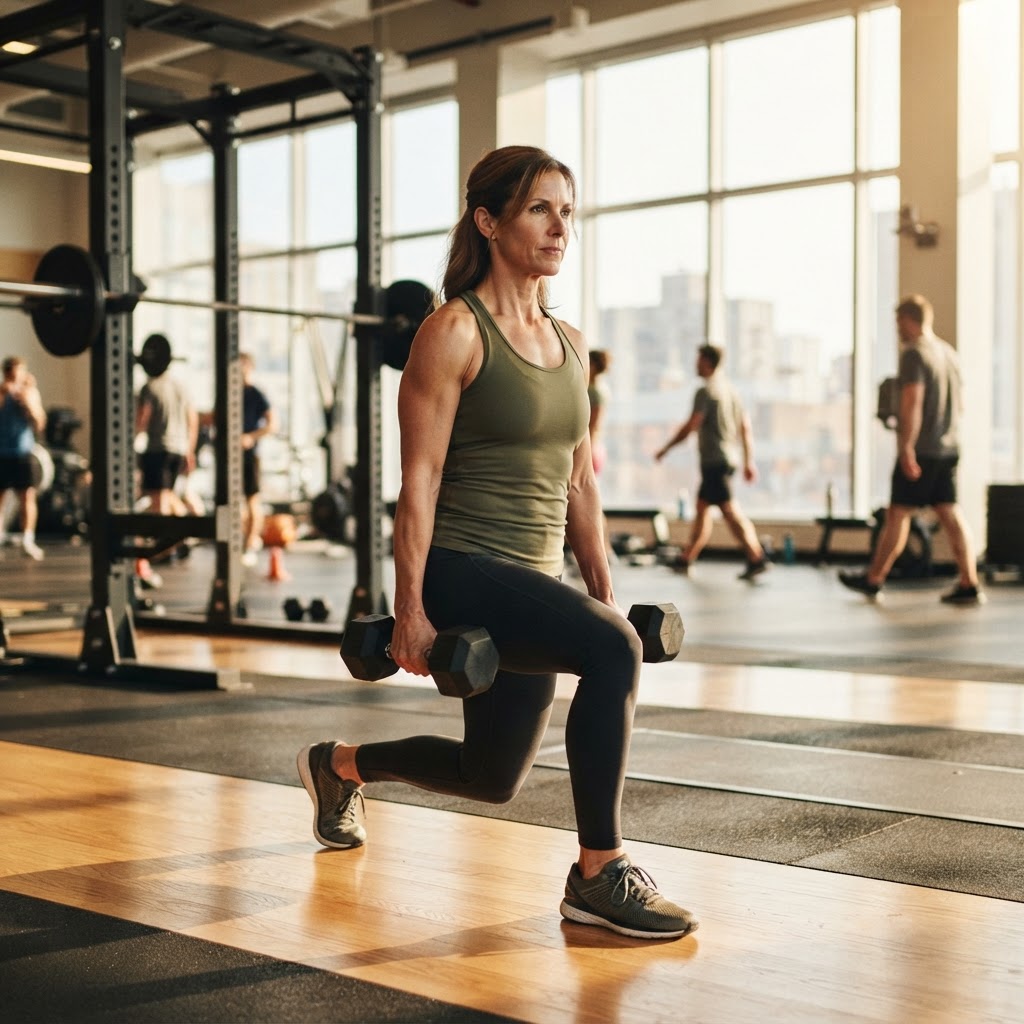
Do you want to reduce the risk of osteoporosis later in life? If so, strength training is one of the most important things you can start with right now.
For women, this becomes particularly important from the age of 40–50 and around menopause. As estrogen levels drop, bone mass loss increases – while muscle mass and strength can gradually decrease.
The good news is that your body can still be influenced.
Strength training, loading the skeleton, sufficient protein, and a diet that covers your needs for calcium and vitamin D are among the most important measures to maintain a strong skeleton.
And you don't need to wait until you get a diagnosis.
1. Strength training should be the foundation
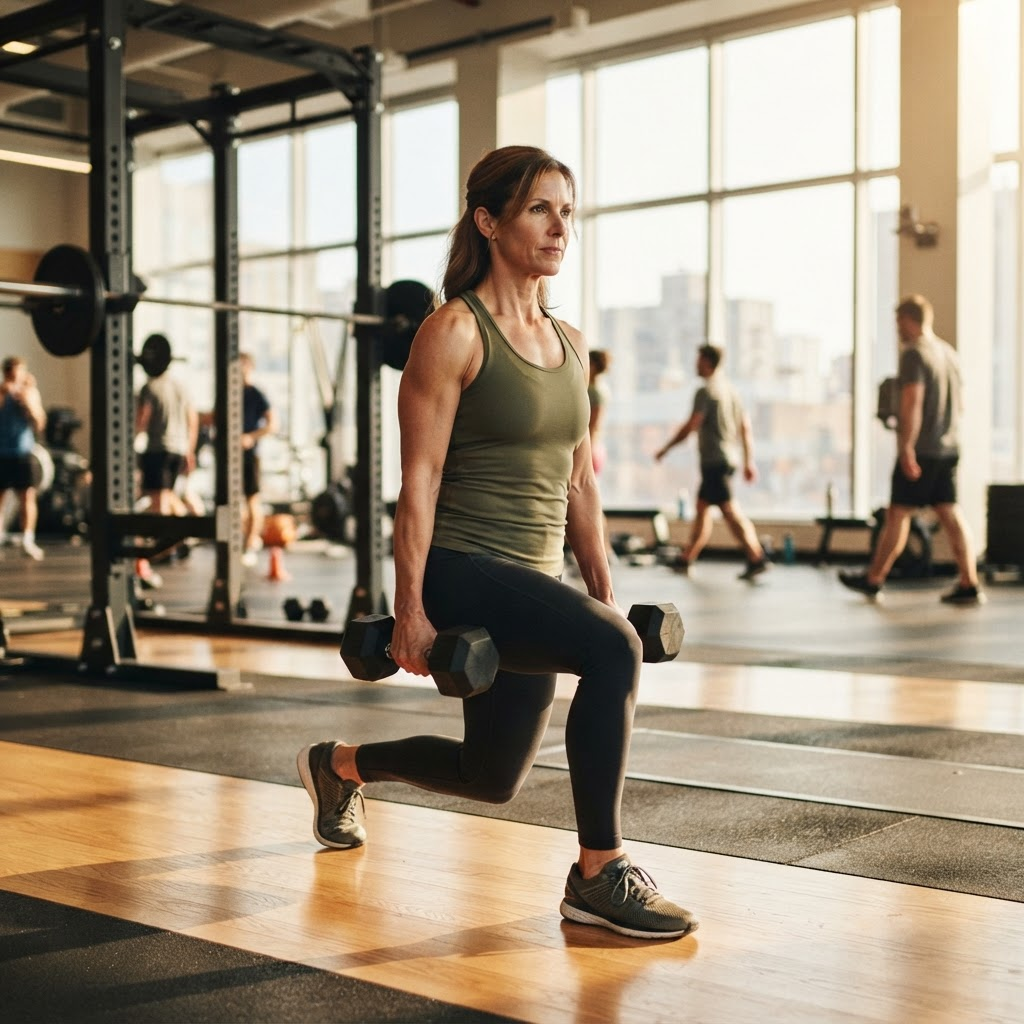
The skeleton is living tissue that adapts to the load it is exposed to.
When muscles work against resistance, the skeleton is also affected. Therefore, progressive strength training 2–3 times a week is one of the best things you can do for your muscles, skeleton, and physical function.
Good exercises include, for example:
- squats and leg press
- lunges and step-ups
- deadlifts and hip exercises
- rowing and lat pulldowns
- press exercises
- exercises for the back and postural muscles
You don't have to start heavy. The important thing is that the training gradually becomes more challenging as you get stronger.
2. Don't just be active – load your body
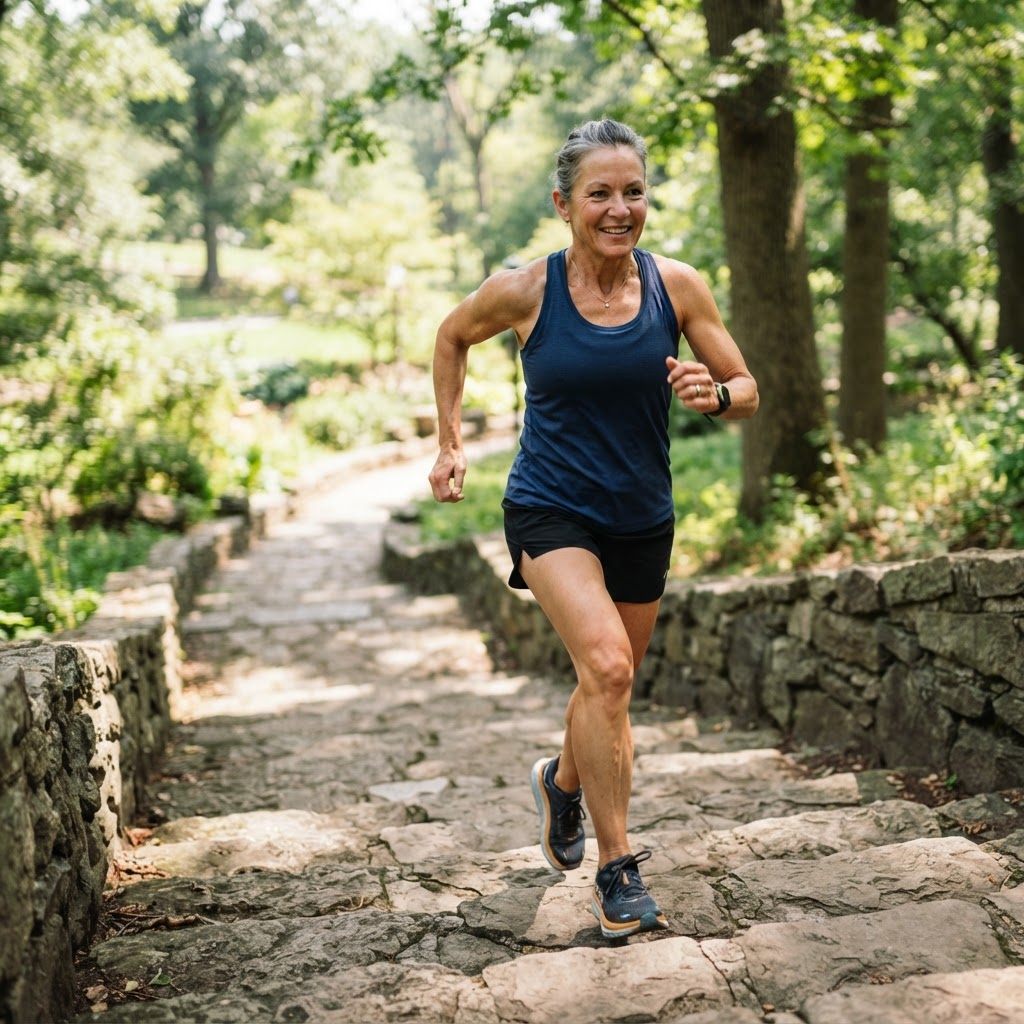
Walking is good for your health, but if the goal is a stronger skeleton, the body should also be challenged.
Running, jumping, stairs, and other weight-bearing activities can give the skeleton the load it needs.
The combination is particularly interesting:
Strength training + weight-bearing activity + good balance.
You build strength, stimulate the skeleton, and can simultaneously reduce the risk of falling later in life.
If you already have significant osteoporosis or previous fractures, the load should of course be adapted individually.
3. Protein is not just for muscles

Protein is often associated with muscle building, but muscle mass and bone health are closely linked.
Stronger muscles make you more robust, contribute to better balance, and reduce the risk of falling.
Therefore, ensure regular protein sources throughout the day, for example:
fish, eggs, meat, chicken, milk, yogurt, cottage cheese, beans, and lentils.
For active women, it is also important to eat enough in total. Long-term low energy intake, significant weight loss, and very low body weight are not necessarily positive for the skeleton.
4. Remember calcium and vitamin D

Calcium is an important building block in the skeleton, while vitamin D is necessary for the body to be able to utilize calcium, among other things.
Helsenorge recommends around 1000 mg of calcium daily in connection with the prevention and treatment of osteoporosis. Your needs should primarily be met through regular food.
Vitamin D is particularly relevant in Norway, where the sun during the winter months does not provide us with sufficient production in the skin.
Supplements may be relevant if your diet does not cover your needs or you have low vitamin D levels.
But remember:
Calcium and vitamin D cannot replace strength training and physical loading.
Why is this especially important for women?
Women are affected by osteoporosis significantly more often than men.
An important reason is estrogen. The hormone helps protect the skeleton, and when estrogen levels fall during and after menopause, the loss of bone mass increases.
This makes the years before, during, and after menopause a particularly good time to prioritize strength training and bone health.
The risk increases further with, among other things, early menopause, a family history of osteoporosis or hip fractures, low body weight, low physical activity, smoking, inadequate nutrition, and long-term use of cortisone.
Osteoporosis is more common than many think
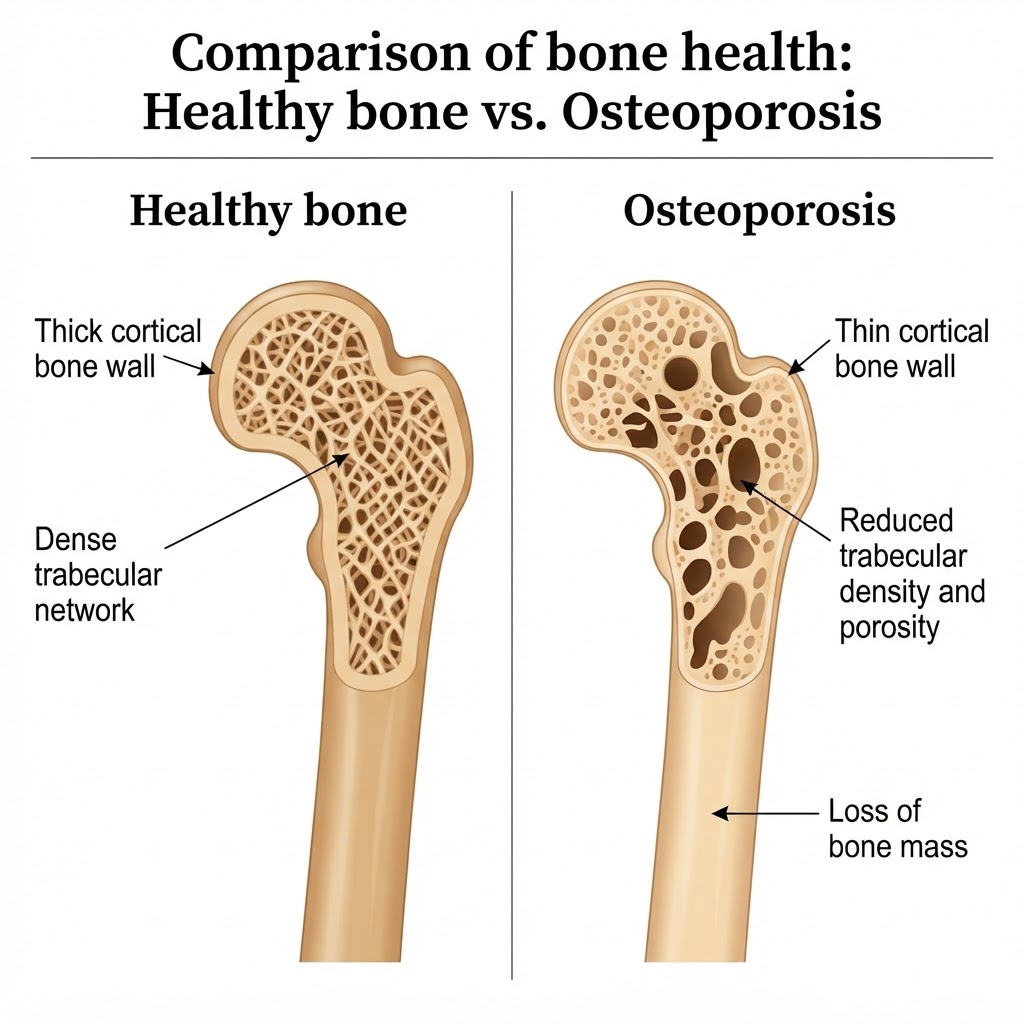
The Norwegian Institute of Public Health estimates that around 350,000 Norwegians have osteoporosis, while around 1.4 million have reduced bone density – osteopenia.
Among people over 50, approximately 13% of Norwegian women have osteoporosis in the hip, compared to around 3% of men.
Every year, there are more than 9,000 hip fractures in Norway, and about two out of three affect women.
This is therefore not a minor health problem that only affects "very old" people.
The problem is that you do not necessarily notice it
Osteoporosis often develops without pain or clear symptoms.
For some, a fracture is the first sign that the skeleton has been weakened.
Bone density can be measured with DXA, a quick and painless X-ray examination with a very low radiation dose.
If you have had a fracture after a relatively small fall, entered menopause early, have osteoporosis in your immediate family, or have other risk factors, it may be sensible to discuss bone density measurement with your doctor.
Start before you have to
It is easy to think of strength training as something we do to become stronger, tighter, or get more muscle.
But for women from their 40s onwards, strength training is about much more.
You are investing in the body you will have in 10, 20, and 30 years.
The goal is not just a stronger skeleton, but to maintain muscle mass, strength, balance, and the ability to do what you want even when you get older.
You are never too old to start – but there is a great advantage to starting before you need to.
Do you want to get started with strength training?
Are you unsure which exercises you should do, how heavy you should train, or how the training should be adapted to your age and starting point?
At StrongLiving, we help you build strength through safe, effective, and individually adapted training.
The goal is simple: A stronger body today – that still functions well many years into the future.
Sources and further reading
Norwegian Institute of Public Health (FHI) – Osteoporosis and fractures Norwegian statistics for osteoporosis, osteopenia, hip fractures, and risk factors.
Helsenorge – Osteoporosis Information about prevention, DXA measurement, training, nutrition, and treatment.
Bae et al. (2023) – Exercise Guidelines for Osteoporosis Management and Fall Prevention Systematic review of research on exercise for osteoporosis and osteopenia.
Brooke-Wavell et al. (2022) – Strong, steady and straight Consensus recommendations on strength training, weight-bearing activity, and balance for osteoporosis.
The article provides general information and does not replace individual medical assessment. In case of known osteoporosis, previous osteoporotic fractures, or suspected illness, a doctor or other qualified healthcare professional should be consulted.
Do you want to get started with strength training? Contact StrongLiving for safe, effective, and individually tailored training.
Contact us